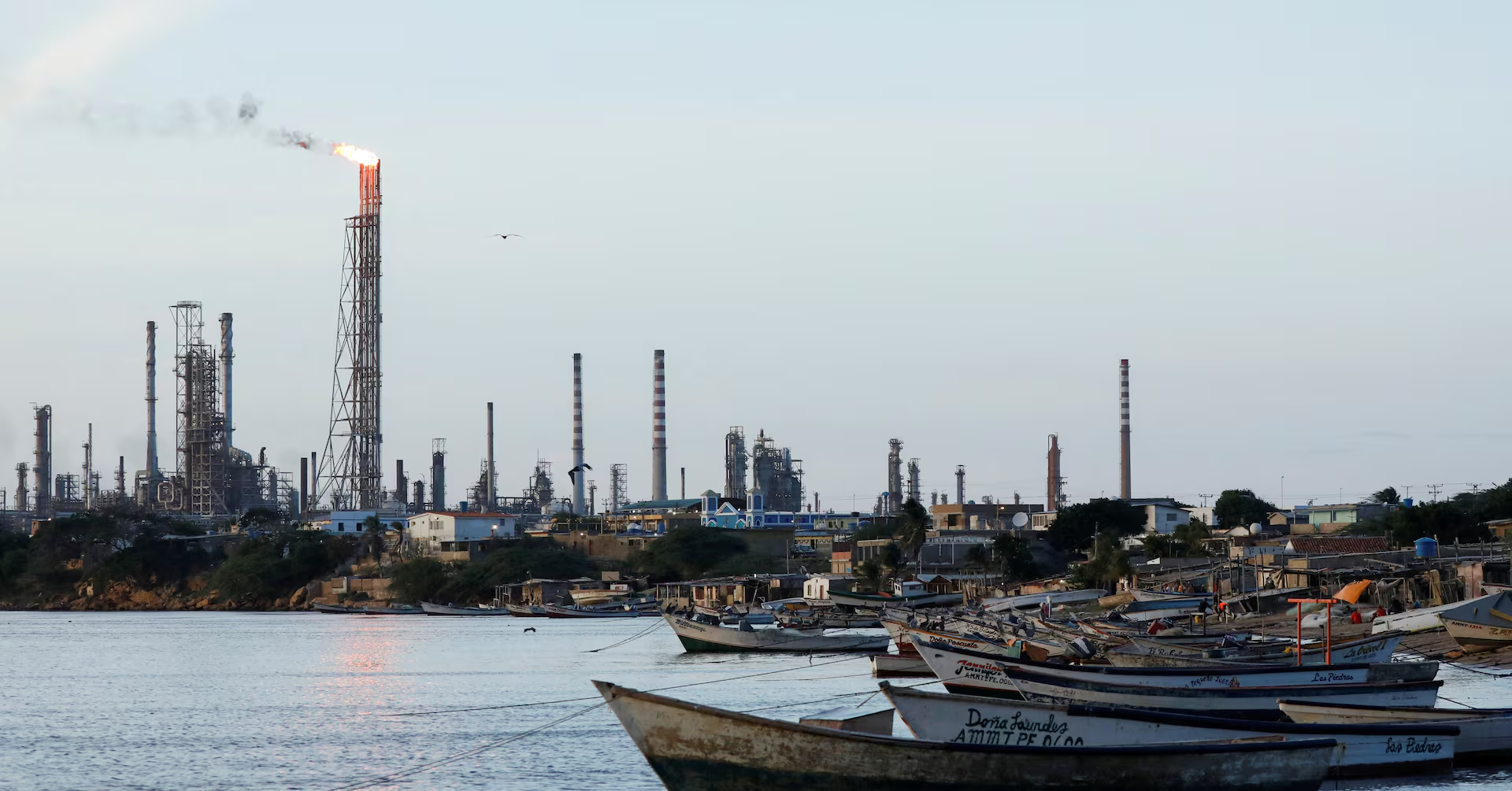
The United States has unveiled a strategic approach toward Venezuelan oil that is reshaping global energy dynamics and triggering intense interest from international oil companies, traders, and refiners. As Washington recalibrates its policy toward Caracas, Venezuela’s vast crude reserves are once again emerging as a focal point in global energy markets, particularly at a time of supply uncertainty and geopolitical realignments.
Venezuela holds the world’s largest proven oil reserves, yet years of economic mismanagement, sanctions, and underinvestment have left its oil industry operating far below capacity. Recent moves by the U.S. signal a calculated effort to re-engage with Venezuelan oil production while maintaining leverage over revenues, governance reforms, and geopolitical outcomes.

A Controlled Re-Entry into Venezuelan Oil Markets
At the core of the new U.S. approach is a framework that allows Venezuelan crude to re-enter global markets under carefully structured conditions. Rather than fully lifting sanctions, Washington is adopting a selective licensing and oversight model that permits oil exports while retaining control over sales, pricing mechanisms, and revenue flows. This strategy is designed to ensure transparency, limit diversion of funds, and align oil revenues with broader economic and political objectives.
By positioning itself as a central gatekeeper, the U.S. aims to prevent illicit trading networks from benefiting while simultaneously restoring a degree of stability to Venezuela’s oil sector. The model also reflects lessons learned from earlier sanctions regimes, which often reduced supply without producing meaningful political or economic reform.
Growing Interest from Energy Companies and Traders
The announcement has triggered a surge of interest from global oil companies and commodity traders eager to secure access to Venezuelan crude. Heavy oil grades from Venezuela are particularly attractive to refineries in the United States, especially along the Gulf Coast, which are specifically configured to process such feedstock. As a result, refiners see Venezuelan oil as a cost-effective alternative to other heavy crude sources.
International trading houses are also monitoring developments closely, anticipating increased cargo availability and new arbitrage opportunities. While participation remains subject to regulatory approvals, the prospect of Venezuela returning as a reliable supplier has already influenced market sentiment.
Strategic Implications for Global Energy Markets
The reintroduction of Venezuelan oil into global supply chains could have far-reaching consequences for energy markets. Increased output has the potential to ease supply pressures, moderate price volatility, and alter trade flows across the Americas, Europe, and Asia. Analysts note that even a modest recovery in Venezuelan production could shift competitive dynamics among heavy crude producers.
For the United States, the strategy serves multiple objectives. It enhances energy security by diversifying supply sources, reduces reliance on geopolitically sensitive producers, and strengthens the position of U.S. refiners. At the same time, it allows Washington to counter the growing influence of rival powers that have expanded their footprint in Venezuela during years of U.S. disengagement.
Political and Economic Conditions Remain Central
Despite renewed engagement, U.S. officials have emphasized that access to Venezuelan oil remains conditional. Political reforms, institutional transparency, and adherence to international norms continue to be central to the policy framework. Revenue controls are intended to ensure that oil proceeds are used for economic stabilization, infrastructure rehabilitation, and repayment of outstanding obligations, rather than reinforcing entrenched political interests.
This conditional approach has introduced uncertainty for long-term investors. While short-term trading opportunities may expand, large-scale capital investments in Venezuela’s oil infrastructure will likely depend on sustained policy clarity and improvements in the domestic business environment.
Enforcement and Market Discipline
Alongside diplomatic engagement, U.S. authorities have intensified enforcement actions against unauthorized oil shipments and sanction-evading networks. These measures are intended to reinforce compliance, signal regulatory seriousness, and channel oil trade through approved mechanisms. The dual strategy of enforcement and engagement reflects a broader effort to discipline global oil markets while gradually reintegrating Venezuela into the formal energy economy.
Outlook: Opportunity Coupled with Caution
The U.S. strategy on Venezuelan oil marks a significant shift in energy diplomacy, blending economic pragmatism with political oversight. For Venezuela, it represents a potential pathway toward restoring production capacity and regaining relevance in global oil markets. For international energy players, it opens new opportunities tempered by regulatory and political risk.
As global demand continues to evolve and energy security remains a top priority, Venezuela’s oil sector is once again at the center of strategic calculations. Whether this renewed engagement leads to sustainable recovery will depend on consistent policy execution, market discipline, and meaningful reforms within the country’s energy industry.