Carbon Monoxide in Nigeria: Deadly Mining Gas Leak Sparks Safety Crisis
A harrowing case of carbon monoxide in Nigeria has claimed at least 37 lives and hospitalised dozens more after a suspected toxic gas leak at an underground mining site, renewing urgent concerns over safety standards and public health risks across the country.
Authorities confirmed the victims died from exposure to carbon monoxide gas an odourless, invisible and lethal pollutant, while working deep inside a poorly ventilated mining tunnel in the Kampani Zurak community of Wase Local Government Area, Plateau State.
The tragedy, which occurred early on Wednesday morning, has drawn widespread national attention and highlighted systemic challenges in safety regulation, community awareness, and emergency response protocols linked to toxic gas exposure in Nigeria’s informal mining sector.

Deadly Gas Leak: What Happened Underground
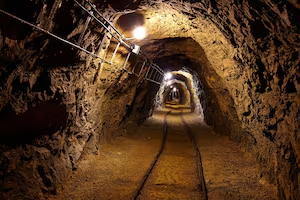
Preliminary reports indicate miners entered an abandoned lead and zinc mine, long known to harbour pockets of trapped gases. At around 5:45 a.m. local time, toxic carbon monoxide levels are believed to have risen sharply in the confined tunnels, quickly displacing oxygen and leaving workers unable to breathe.
Witnesses said scores of miners collapsed suddenly, with colleagues and first responders frantically trying to evacuate survivors. Twenty-five people were rushed to nearby hospitals with serious respiratory distress, while many others remain in critical condition.
The Nigeria Minister of Solid Minerals Development, Dele Alake, ordered the immediate suspension of mining activities in the affected area and called for a thorough investigation into the causes of the gas build-up.

The Silent Killer: Understanding Carbon Monoxide Risk
Carbon monoxide (CO) is a colourless, odourless gas produced when fuels such as coal, wood, petrol or mineral deposits combust or off-gas in poorly ventilated conditions. When inhaled, it binds with haemoglobin in the blood more effectively than oxygen, preventing oxygen transport and causing hypoxia, brain damage, or death.
In Nigeria, CO exposure is not limited to mines. Generators relied upon daily by millions due to unreliable grid power, release significant carbon monoxide fumes. Previous reports suggested that generator-related CO emissions contribute heavily to respiratory illnesses and deaths in urban centres like Lagos.
Experts warn that without improved ventilation, monitoring and safety education, carbon monoxide will remain a persistent public health threat in both industrial and household settings.
National and Community Reaction to the Carbon Monoxide in Nigeria Tragedy
National response has been swift, with public outcry over perceived regulatory failures and inadequate miner protection. Social media platforms are flooded with tributes to the deceased and demands for stricter mining oversight. Civil society groups are calling for enhanced enforcement of safety protocols and protective gear requirements in mining operations.
Local leaders in Plateau State have urged families to adopt preventive measures and avoid entry into abandoned tunnels, especially in communities where informal and illegal mining is common.
Health workers have also emphasised the need for awareness around CO symptoms including headaches, dizziness, nausea and loss of consciousness and rapid treatment protocols to prevent fatalities.
Industry and Government Response to the Carbon Monoxide in Nigeria Tragedy
The National Mining Regulatory Commission is under pressure to reassess licensing and rehabilitation standards for small-scale and artisanal mines across Nigeria. Officials admit that many mining pits are poorly regulated and lack adequate safety infrastructure.
Nigeria’s Federal Ministry of Health has said it will issue public guidelines on carbon monoxide exposure and work more closely with state governments to strengthen emergency response training, particularly in rural areas where mining is prevalent.
Environmental advocates argue that broader investment in emissions controls, clean energy alternatives, and occupational health services is critical to protect vulnerable populations from similar tragedies.
Looking Beyond the Carbon Monoxide in Nigeria Tragedy

The Plateau disaster spotlights not only the immediate dangers of carbon monoxide in Nigeria’s mining sector, but also the broader health and environmental challenges tied to industrial and household pollution. With Nigeria’s energy deficit driving widespread generator use, CO exposure remains a silent killer beyond mine shafts alone.
Experts recommend wider deployment of carbon monoxide detectors, improved ventilation in enclosed workspaces, and national campaigns to educate citizens about unseen gas dangers. These measures, if implemented, could significantly reduce preventable deaths from CO poisoning nationwide.
Carbon Monoxide in Nigeria: Turning Crisis into Change
This tragic incident in Plateau State serves as a grim reminder of the urgent need to address carbon monoxide in Nigeria through coordinated government action, industry accountability, and public awareness campaigns not just in mines, but across homes and workplaces.
By strengthening safety standards, enhancing monitoring systems, and promoting cleaner energy alternatives, Nigeria can begin to curb the silent but deadly impacts of this invisible gas.