

11 South African Men Caught in International Conflict
In a shocking and complex international development, 11 South African men who were allegedly lured into fighting in the Russia-Ukraine war are now returning home after months on the front lines under deceptive recruitment schemes. The repatriation effort marks a tense diplomatic achievement and raises hard questions about unlawful recruitment practices, legal consequences, and human rights abuses.

Diplomatic Breakthrough: Repatriation Underway
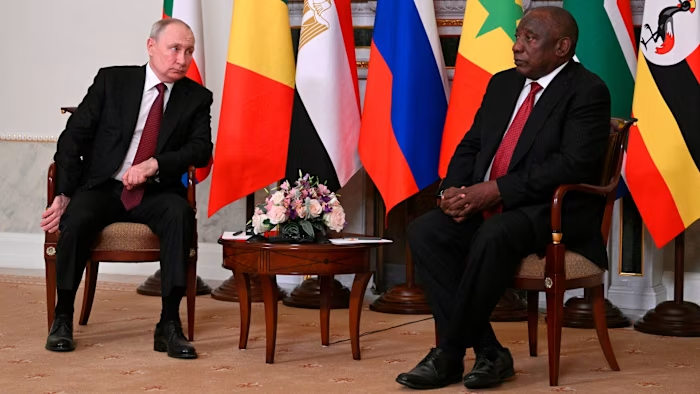
South African President Cyril Ramaphosa announced late February 2026 that 11 of 17 men who were reportedly deceived into travelling to Russia and then deployed to fight alongside Russian forces in the Ukraine conflict are on their way home. This follows the earlier return of four men, bringing the total number of repatriated nationals to 15, with two still in Russia one hospitalized and one awaiting travel clearance.
Ramaphosa publicly thanked Russian President Vladimir Putin for coordinating the safe return through diplomatic channels a significant move given South Africa’s position as a fellow BRICS member and its historically non-aligned stance on the war
How They Were Lured: Deception and Vulnerability
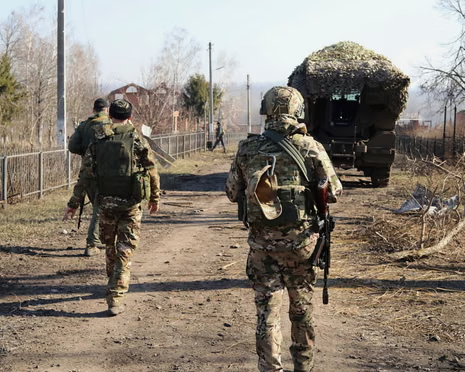
According to government statements, the group of men, all aged 20 to 39, were recruited through promises of lucrative employment and security training in Russia. Instead, they found themselves thrust into some of the fiercest combat zones in the war’s Eastern European theatre, particularly Ukraine’s Donbas region.
Experts on trafficking and conflict recruitment describe these tactics as modern predatory schemes, where vulnerable individuals are targeted with false job offers that disguise involvement in active combat. Some analysts warn that these operations mirror trafficking networks rather than legitimate employment pipelines. (Commentary based on expert analysis of recruitment tactics.)
11 South African Men: Legal and Investigative Fallout
South African law strictly prohibits citizens from participating in foreign military activity without governmental authorization. The circumstances leading to the men’s recruitment are now the subject of formal investigations.
At least five people have been criminally charged, including a freelance journalist alleged to be one of the masterminds behind the recruitment. Among those implicated is Duduzile Zuma-Sambudla, daughter of former President Jacob Zuma, who has denied wrongdoing but resigned her parliamentary seat amid mounting public scrutiny.
Legal experts note that charges could span violations of South Africa’s Military Assistance Act and anti-trafficking statutes, with potential jail time for wrongdoing that results in unlawful mercenary deployment. (Legal perspective based on South African military assistance regulations.)
Government and Public Response to the Rescue of the 11 South African Men
Government officials emphasize that the repatriations underscore Pretoria’s commitment to protecting citizens abroad and exposing deceptive recruitment channels. President Ramaphosa’s office reiterated its gratitude to international partners for facilitating the safe departure home.
Families affected by the ordeal have expressed relief mixed with frustration over the months spent navigating bureaucratic and legal hurdles. Social media commentary from South Africans has ranged from sympathy to calls for stronger oversight and deterrence of such recruitment scams. (Public reaction drawn from social media trends and family statements.)

Broader Regional Impact of the Rescued 1 South African Men
South Africa’s situation reflects a wider pattern of African nationals being targeted by deceptive recruitment into foreign conflict zones. Kenyan intelligence reports suggest over 1,000 Kenyans have been similarly recruited, some forced into frontline duties or held as prisoners of war prompting regional diplomatic pressure and legislative reviews.
Human rights groups urge coordinated action across African governments to curb exploitation, improve citizen security abroad, and ensure legal protections are enforced.
Conclusion: Accountability and Vigilance
The unfolding return of the 11 South African men from the Russia-Ukraine frontlines represents a complex intersection of diplomacy, law, and human vulnerability. As the country seeks accountability and justice for those responsible for deceptive recruitment, officials and civil society alike emphasize the need for vigilant protections against similar exploits in the future.
For families and communities affected, the safe return of these men is a bittersweet victory — a reminder of the risks faced by those misled by false promises and the power of diplomatic intervention to bring them home

