


Gas Prices Surge Worldwide as Oil Market Turmoil Intensifies
Gas prices surge sharply across global markets as geopolitical tensions, supply disruptions, and rising crude oil costs ripple through the energy sector. Over the past week, gas prices have increased dramatically in several regions, raising concerns among drivers, businesses, and policymakers about inflation and economic stability.
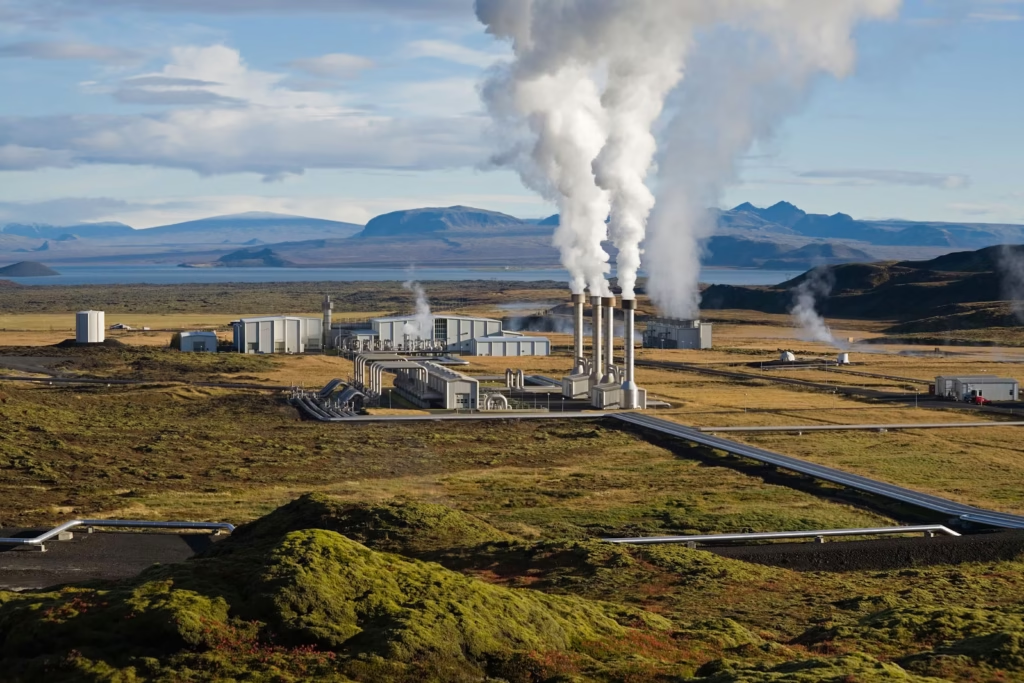
Energy analysts say the surge in gas prices is largely tied to turmoil in the Middle East, which has disrupted key oil supply routes and driven crude oil above critical price thresholds. The result is a rapid increase in pump prices that could continue in the coming weeks.
Gas Prices Climb as Oil Prices Spike
Gas prices have surged after global crude oil benchmarks climbed above $90 per barrel for the first time since late 2023. Rising oil costs are the main driver behind the sudden jump in gas prices, as refiners pass higher production costs on to consumers.

According to energy market data, the average price of regular gasoline in the United States recently climbed to around $3.32 per gallon, marking an increase of more than 11% in just one week. Analysts note that such a rapid rise in gas prices is one of the sharpest short-term increases seen in recent years.
Fuel experts warn that gas prices typically lag behind crude oil prices, meaning drivers may see additional increases even if oil markets stabilize.
Middle East Conflict Disrupts Global Supply
A major factor behind rising gas prices is the escalating conflict in the Middle East. Military tensions and attacks on energy infrastructure have disrupted oil production and shipping routes, particularly around the Strait of Hormuz, a critical chokepoint that carries roughly 20% of the world’s oil supply.
The disruption has sent shockwaves through global energy markets. Oil traders fear prolonged supply shortages if the conflict continues or spreads further.
In response, energy-importing countries have begun preparing contingency plans, including potential releases from strategic petroleum reserves.
Regional Gas Prices Show Sharp Differences
While gas prices surge worldwide, the increases vary significantly by region due to local taxes, environmental regulations, and refining capacity.
In the United States, the national average price for gasoline recently rose to around $3.48 per gallon, after spending months below the $3 threshold.
Some areas are experiencing much higher gas prices:
- California: About $5.20 per gallon on average
- Washington and Hawaii: More than $4 per gallon
- Midwestern states: Often below $3 per gallon
Experts say these differences reflect regional tax policies and fuel standards that influence retail gas prices.
Diesel Prices Also Surging

The rise in gas prices is mirrored in the diesel market. Diesel fuel, which powers freight trucks, agriculture equipment, and heavy industry, has climbed above $4 per gallon, the highest level in nearly two years.
Higher diesel prices can quickly spread through the economy because transportation costs affect the price of many goods, from groceries to construction materials.
Economists warn that sustained increases in gas prices and diesel costs could push inflation higher.
Governments and Markets Respond to the Gas Prices Surge
Governments around the world are closely monitoring gas prices as they rise. Some countries are already adjusting domestic fuel prices or reducing subsidies to cope with global energy costs.
For example, Egypt recently increased domestic fuel prices by up to 17% as global oil costs climbed. Officials said the move was necessary to manage the country’s energy budget amid international market volatility.
Meanwhile, energy analysts say markets remain extremely sensitive to new developments in the Middle East conflict.
Public Reaction to Gas Prices Surge

Consumers are beginning to feel the impact of rising gas prices, particularly commuters and small businesses that rely heavily on transportation.
In many cities, drivers have reported paying 30 to 50 cents more per gallon within just a few days, prompting frustration on social media and calls for government action.
Economic surveys show growing concern among households about how sustained gas price increases could affect travel, food prices, and overall living costs.
What Experts Say About Future Gas Prices Surge
Energy economists say the outlook for gas prices will depend largely on geopolitical developments and oil supply conditions.
Some analysts estimate there is a strong possibility that the national average price for gasoline could approach $4 per gallon within weeks if crude oil continues rising.
Others warn that further supply disruptions could push gas prices even higher, particularly during peak travel seasons.
Still, market experts emphasize that energy markets can change quickly, and prices could stabilize if tensions ease or production increases elsewhere.
Conclusion: Gas Prices Likely to Stay Volatile
Gas prices are once again at the center of global economic concerns as geopolitical tensions and supply disruptions shake energy markets. The rapid rise in oil costs has already pushed gas prices higher across many regions, and the trend may continue if supply remains constrained.
For now, analysts expect gas prices to remain volatile, with consumers and businesses closely watching developments in global oil markets and international politics.

