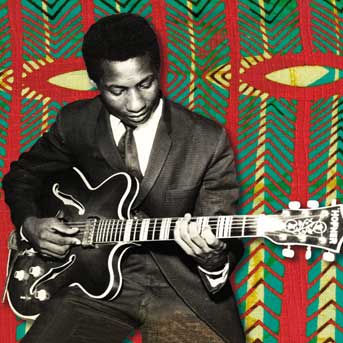


The global music community has been paying heartfelt tribute to Ebo Taylor, the acclaimed Ghanaian highlife guitarist, composer, and bandleader, following news of his passing. Widely revered as one of highlife’s most influential figures, Taylor’s death marks the end of a remarkable artistic journey that helped shape modern African music and left a profound legacy felt far beyond Ghana’s borders.
Taylor, who was 91 years old at the time of his death, was celebrated for blending traditional Ghanaian rhythms with jazz, funk, afrobeat, and soul a fusion that propelled highlife music onto international stages and inspired generations of musicians.

A life in music
Born eby Taylor (born Yeboah Taylor) on April 22, 1936, in Cape Coast, Ghana, he began his musical career in the 1950s, a period when highlife was already emerging as a powerful form of expression across Ghana and West Africa. Taylor’s early involvement in music saw him mastering the guitar and developing an innovative approach that would eventually distinguish him from his contemporaries.
Throughout the 1960s and 1970s, Taylor’s work with several prominent bands helped define a new direction for highlife. He played with groups such as The Black Beats and ET Mensah’s Tempos, absorbing a wide range of influences while establishing himself as both a formidable performer and a creative force in arranging and composition.
As the popularity of highlife evolved, Taylor pushed boundaries by incorporating elements of psychedelic music, jazz improvisation, and funk grooves, which gave his work a fresh, cosmopolitan sound. This experimental approach distinguished him from many of his peers and helped broaden the appeal of highlife beyond West Africa.

International recognition and influence
Ebo Taylor’s influence extended far beyond Ghana. In the 1980s and 1990s, his music found new audiences in Europe and North America, particularly among listeners who were drawn to the rich textures and infectious rhythms of Afro-fusion sounds. Taylor became something of a cult figure in global music circles, admired by DJs, producers, and music enthusiasts who recognised his contributions to what would later be called “world music.”
Several reissues of his classic recordings, as well as compilations featuring his work, introduced his music to younger generations. These releases helped secure his reputation as not only a pioneer of highlife but also as a visionary whose work transcended genre boundaries.
Ebo Taylor also collaborated with younger Ghanaian musicians and international artists, further showcasing his versatility and openness to musical evolution. His collaborations included work with contemporary acts who sought to bridge traditional sounds with modern sensibilities, demonstrating Taylor’s enduring relevance in changing musical landscapes.
Tributes flood In from home and abroad
Following news of his death, tributes poured in from musicians, cultural commentators, government officials, and fans around the world. In Ghana, music industry figures lauded Taylor as a national treasure whose artistry helped elevate Ghanaian music on the world stage.
Government representatives and cultural institutions issued statements honouring his life’s work, noting that Taylor’s contributions helped shape the identity of Ghana’s music heritage. Many pointed out that his influence was not confined to the past, but remained alive in the work of contemporary artists who continue to draw inspiration from his innovations.
International musicians and music critics also mourned Taylor’s passing, with many emphasising his role in shaping the soundscape of African music and praising the timeless quality of his compositions. Some proclaimed his legacy as enduring proof that music can transcend cultural and linguistic barriers to unite listeners around shared emotions and rhythms.
Legacy in sound and culture
Ebo Taylor’s influence is evident in the music of numerous Ghanaian and African artists today. Many contemporary highlife and afrobeat musicians cite Taylor as an inspiration, crediting him with widening the possibilities of what African music could sound like in an increasingly connected world.
Taylor’s music was characterised by lush guitar lines, intricate horn arrangements, and grooves that intertwined traditional rhythms with modern harmonies. Songs like “Heaven”, “Love and Death”, and “Africa ‘69” remain staples in playlists curated by highlife lovers and world music aficionados alike, continuing to resonate with audiences decades after their original release.
Music historians attribute Taylor’s longevity to his ability to balance innovation with deep respect for tradition. Unlike some artists whose styles become dated over time, Taylor’s work consistently felt fresh, relevant, and rooted in the lived experiences of his listeners.
His passing at age 91 marks the end of a storied career that spanned more than six decades, yet his influence will undoubtedly continue through the countless musicians he inspired and the enduring popularity of his recordings.

Remembering Ebo Taylor
Ebo Taylor is remembered not just as a musician, but as a cultural pioneer whose work represented the best of Ghanaian creativity and innovation. His legacy serves as a reminder of how music can bridge generations, cross borders, and create lasting connections among people of different cultures.
As tributes continue to flow, many have expressed that the world of music is poorer without him, yet richer for the extraordinary body of work he leaves behind.